The Timeless Art of Pyrography: A Journey Through History
Across the centuries, humanity has sought to leave its mark on walls, clay, parchment, and wood. One of the most fascinating methods to emerge from this desire for self-expression is pyrography, the ancient art of "writing with fire." This unique craft, often described as "painting with heat," has roots that stretch back thousands of years, connecting cultures and generations through its intricate, smoky designs.
The Origins: Fire as a Tool of Expression
Fire has always been a powerful force in human history - a symbol of survival, transformation, and creation. The origins of pyrography are believed to date back to 3000 BCE, when early humans discovered the creative potential of a burning ember. What began as accidental scorch marks on wood or bone soon became deliberate patterns, as our ancestors used fire to decorate tools, weapons, and ceremonial objects.
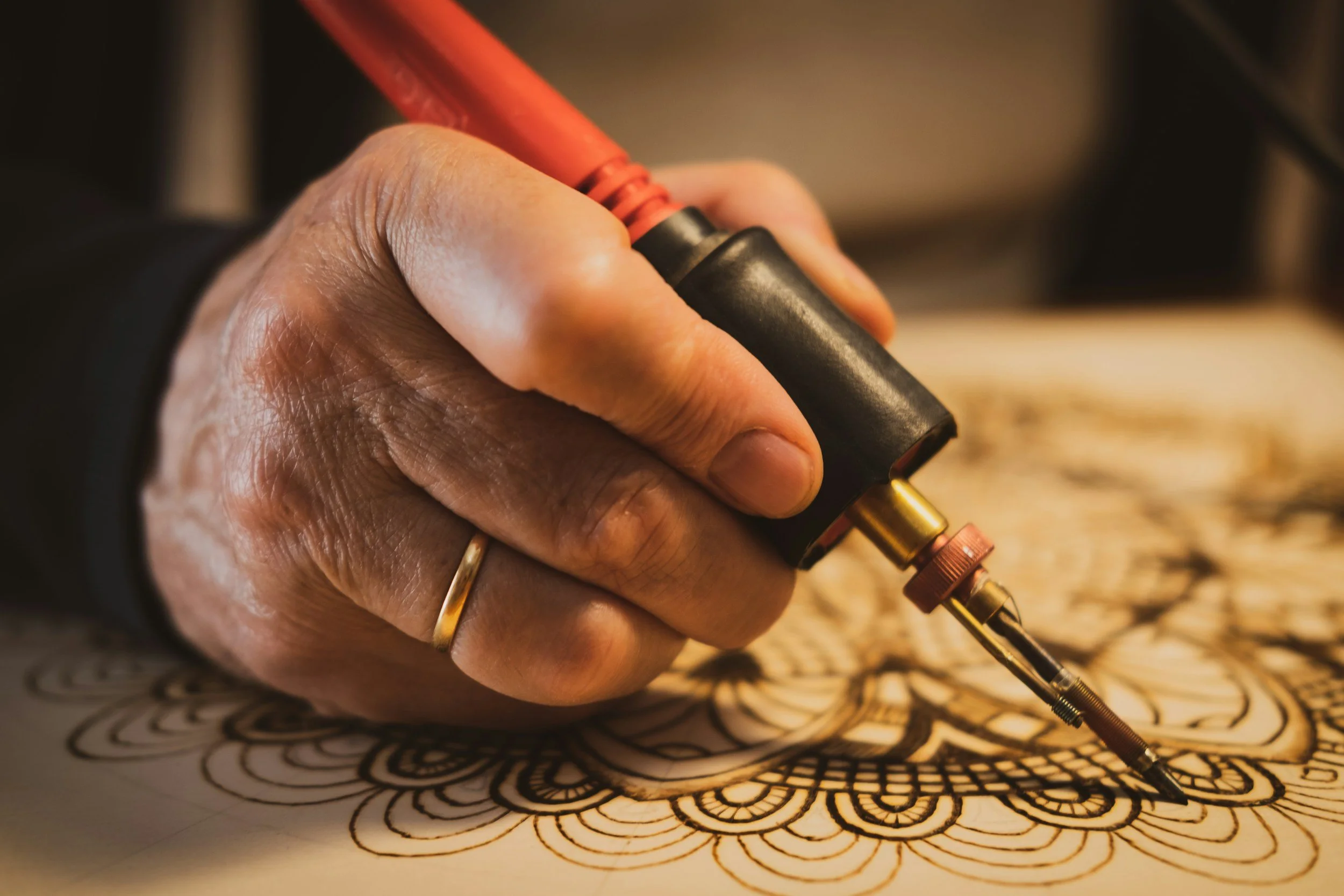
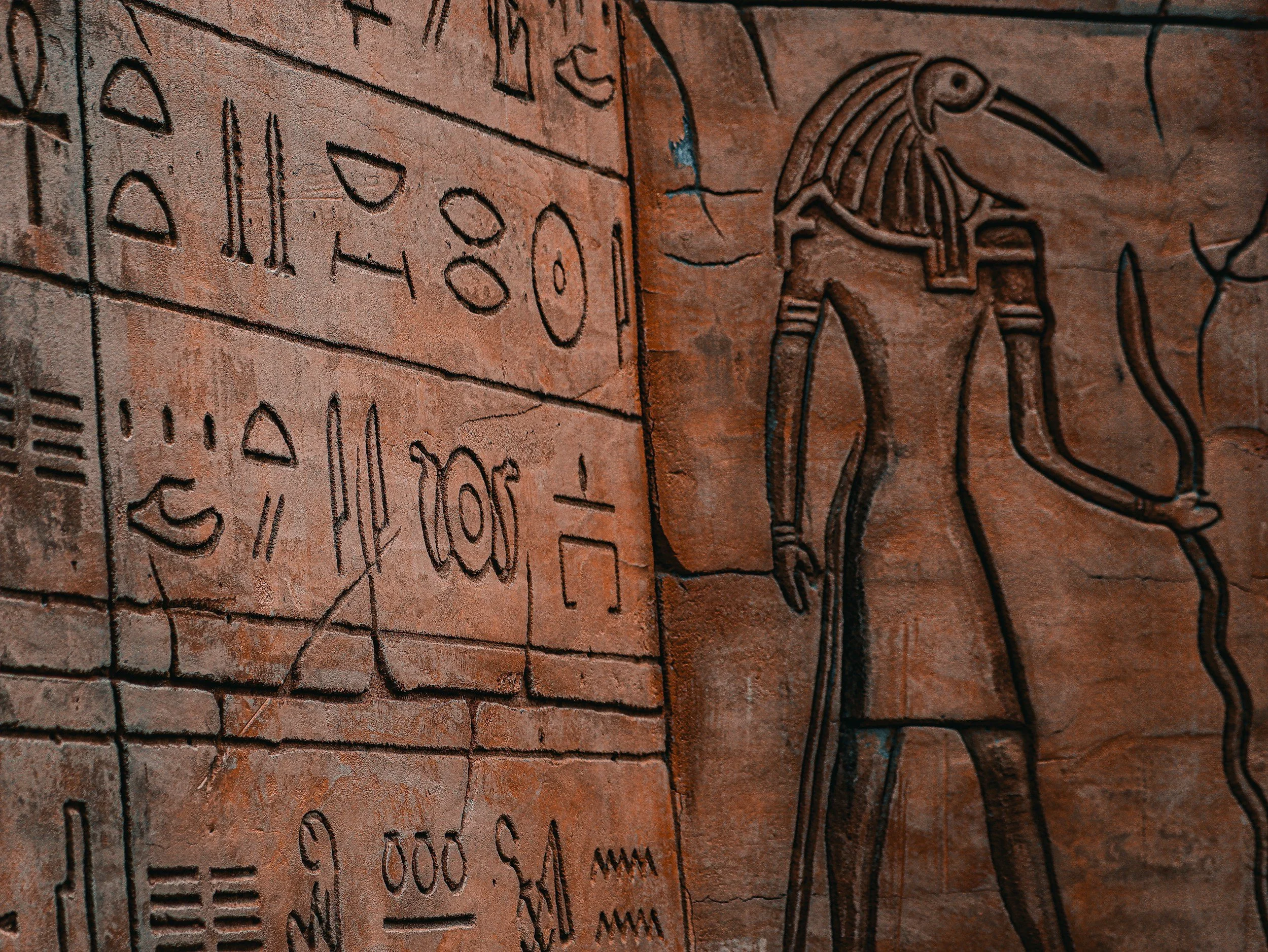
Using heated metal rods or tools, Egyptian artisans meticulously etched intricate designs, patterns, and motifs onto a variety of materials, including wood, leather, papyrus, and even ivory. These designs were not merely decorative but carried profound cultural and spiritual meanings. Common themes in their pyrographic work included depictions of gods and goddesses, sacred animals like the scarab beetle, hieroglyphic inscriptions, and intricate geometric patterns. These were often used to convey spiritual beliefs, represent the natural world, or communicate messages about life, death, and the afterlife.
The precision and artistry of Egyptian pyrography reflected their remarkable craftsmanship and deep understanding of tools and materials.
The heated metal tools used for burning designs required careful control of temperature and pressure.
By varying the intensity of the heat and the pressure applied, artisans could create a range of effects, from fine lines to deeply engraved patterns, giving their work a sense of depth and dimension.
In addition to its religious and decorative uses, pyrography played a role in storytelling and record-keeping.
The etched patterns and hieroglyphs often depicted scenes from daily life, historical events, or mythological tales, providing a glimpse into the culture and values of ancient Egyptian society.
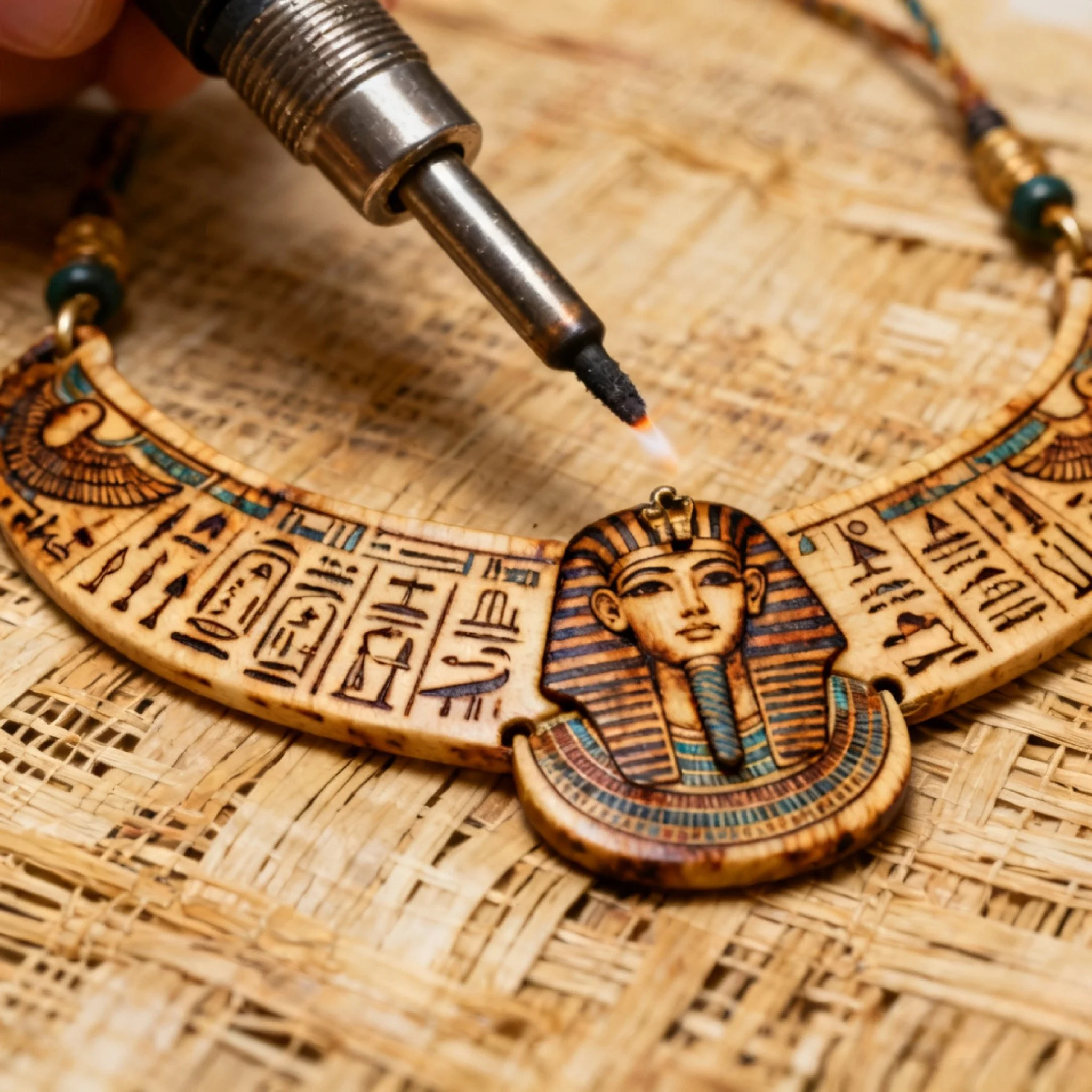
The legacy of Egyptian pyrography continues to inspire modern artists and craftspeople.
The combination of technical skill, attention to detail, and meaningful symbolism that characterized ancient pyrographic art remains a testament to the ingenuity and creativity of one of the world's earliest civilizations.
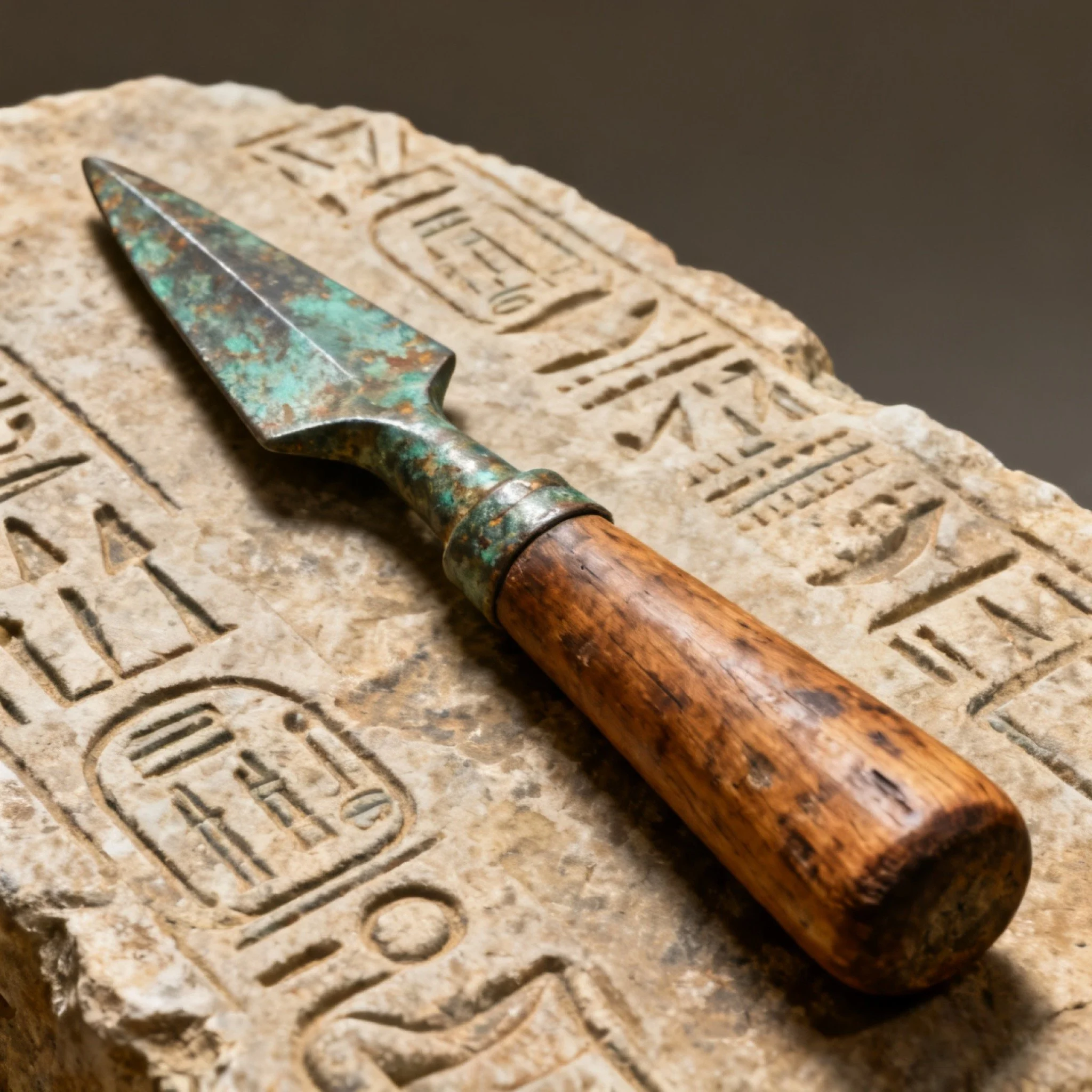
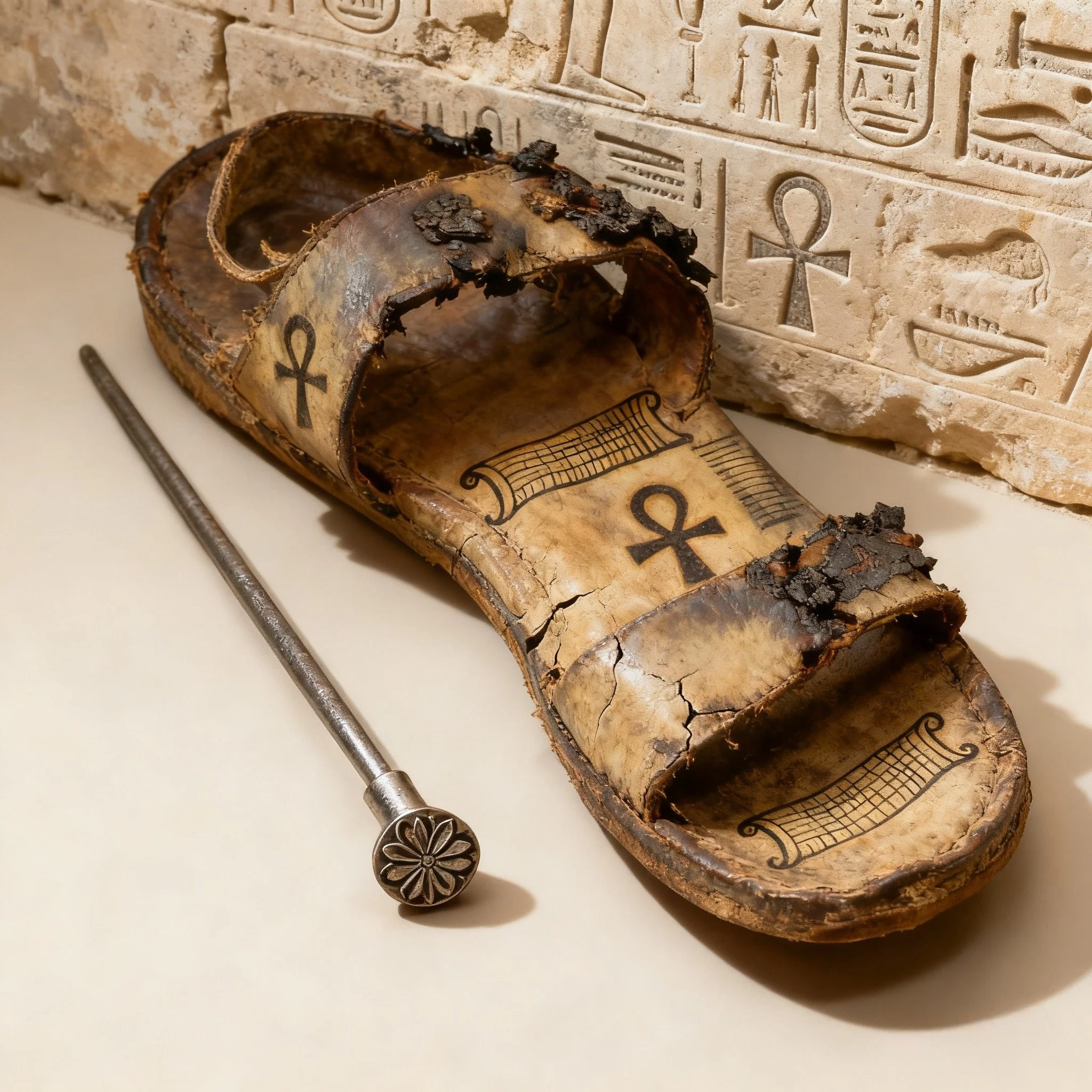
The art of pyrography, or "writing with fire," has roots that trace back thousands of years to ancient Egypt, where it was practiced as both an artistic and symbolic craft as early as 2000 BCE. The ancient Egyptians are believed to be among the first civilizations to refine this technique into a sophisticated art form that combined creativity, symbolism, and ritualistic significance.
One of the most prominent uses of pyrography in ancient Egypt was in the creation of funerary artifacts. Wooden sarcophagi, furniture, and amulets accompanying the deceased into the afterlife were often adorned with pyrographic designs. These designs were believed to provide protection, convey blessings, and guide the soul on its journey. Pyrography was a way to infuse these objects with a sense of divine energy, making them not only functional but spiritually significant.
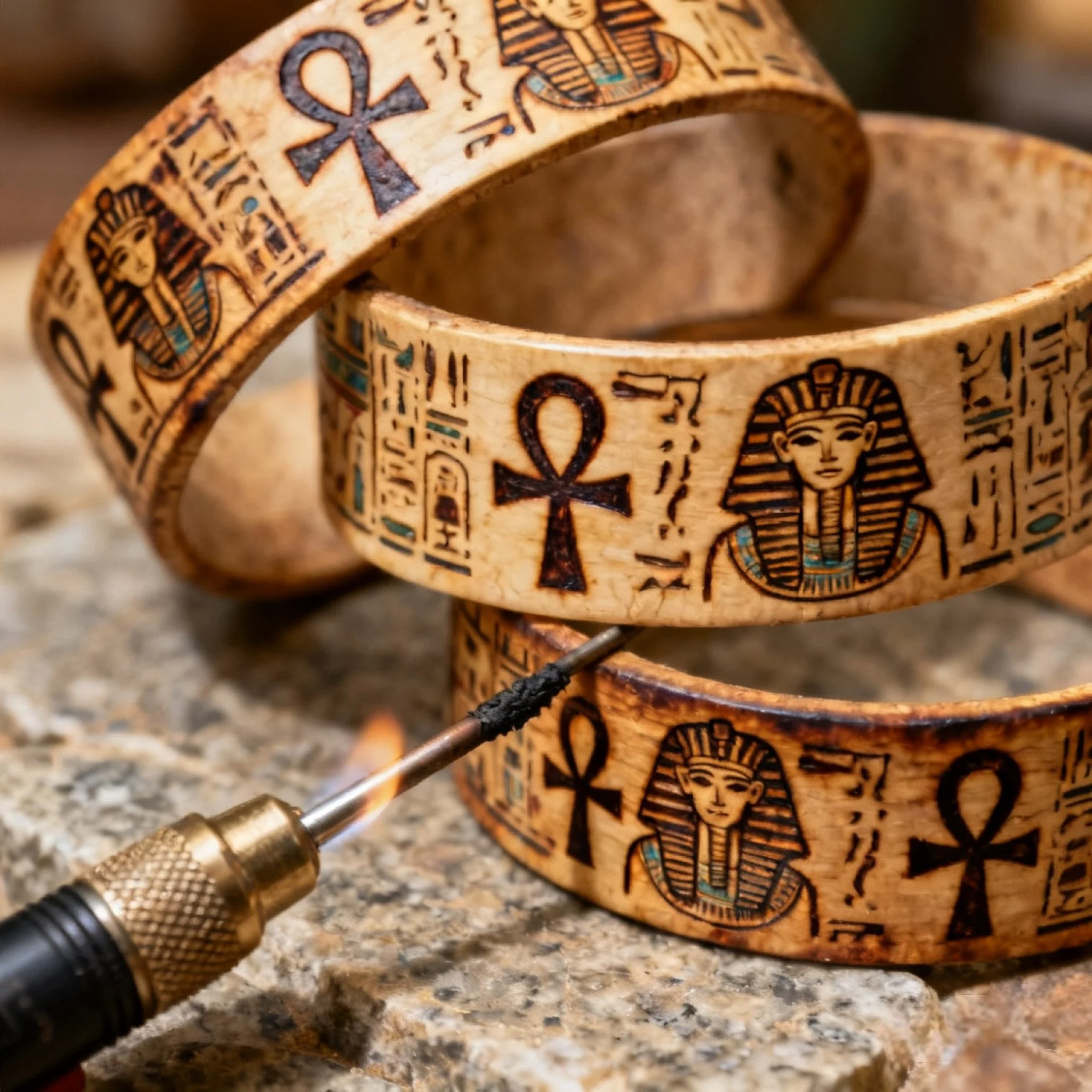
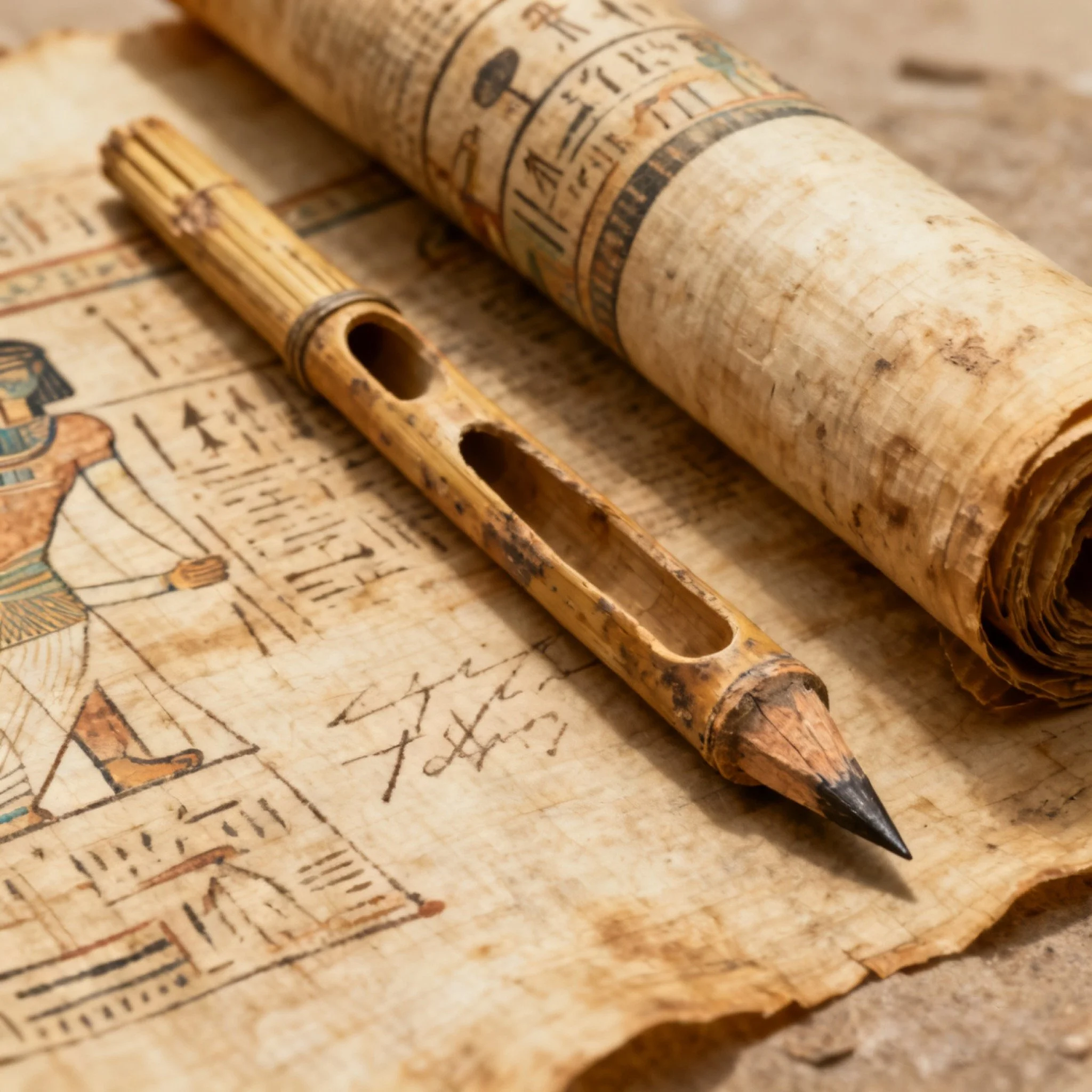
Today, while modern tools and techniques have evolved, the essence of pyrography as an art form rooted in history and cultural expression endures.
Ancient China: The Evolution of Pyrography
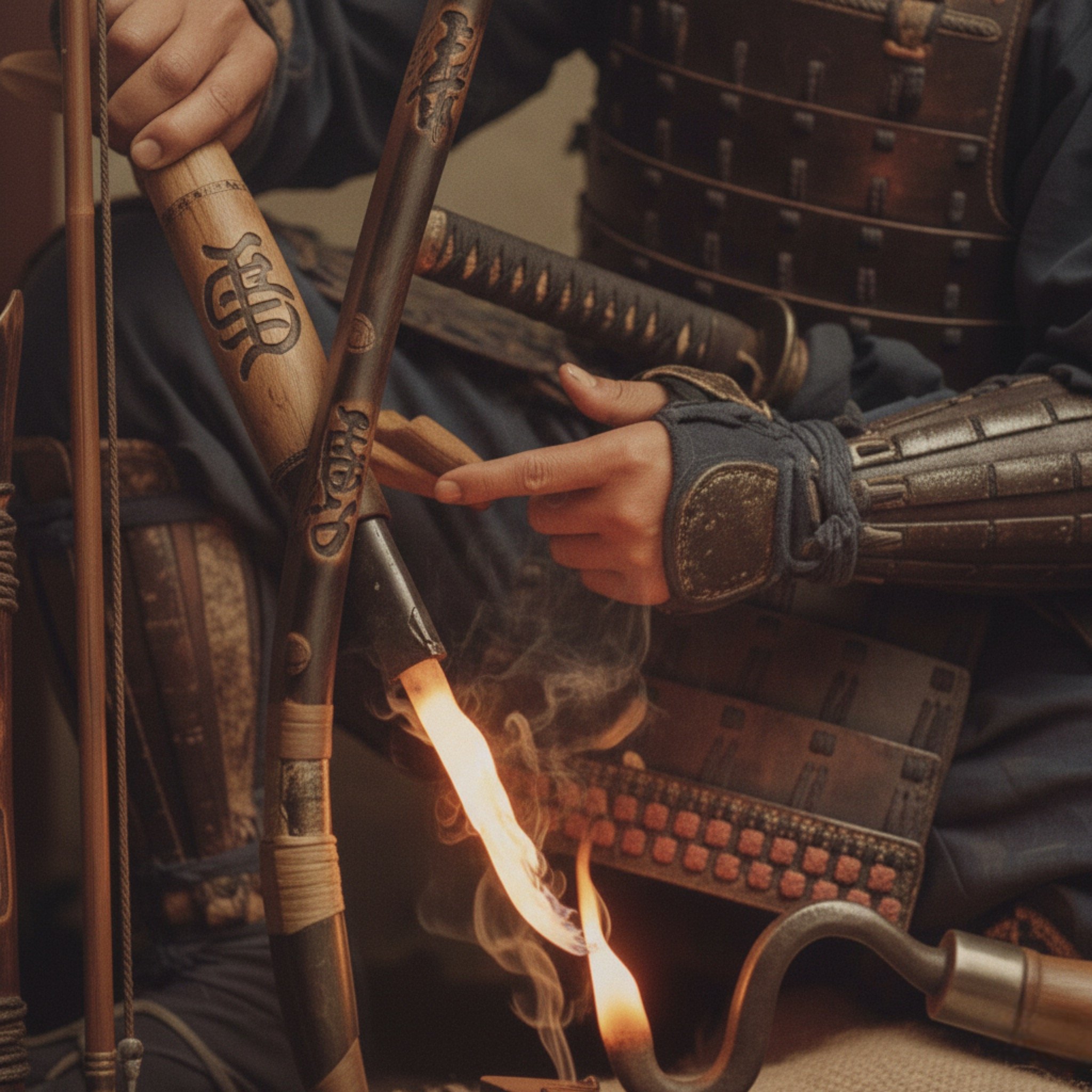
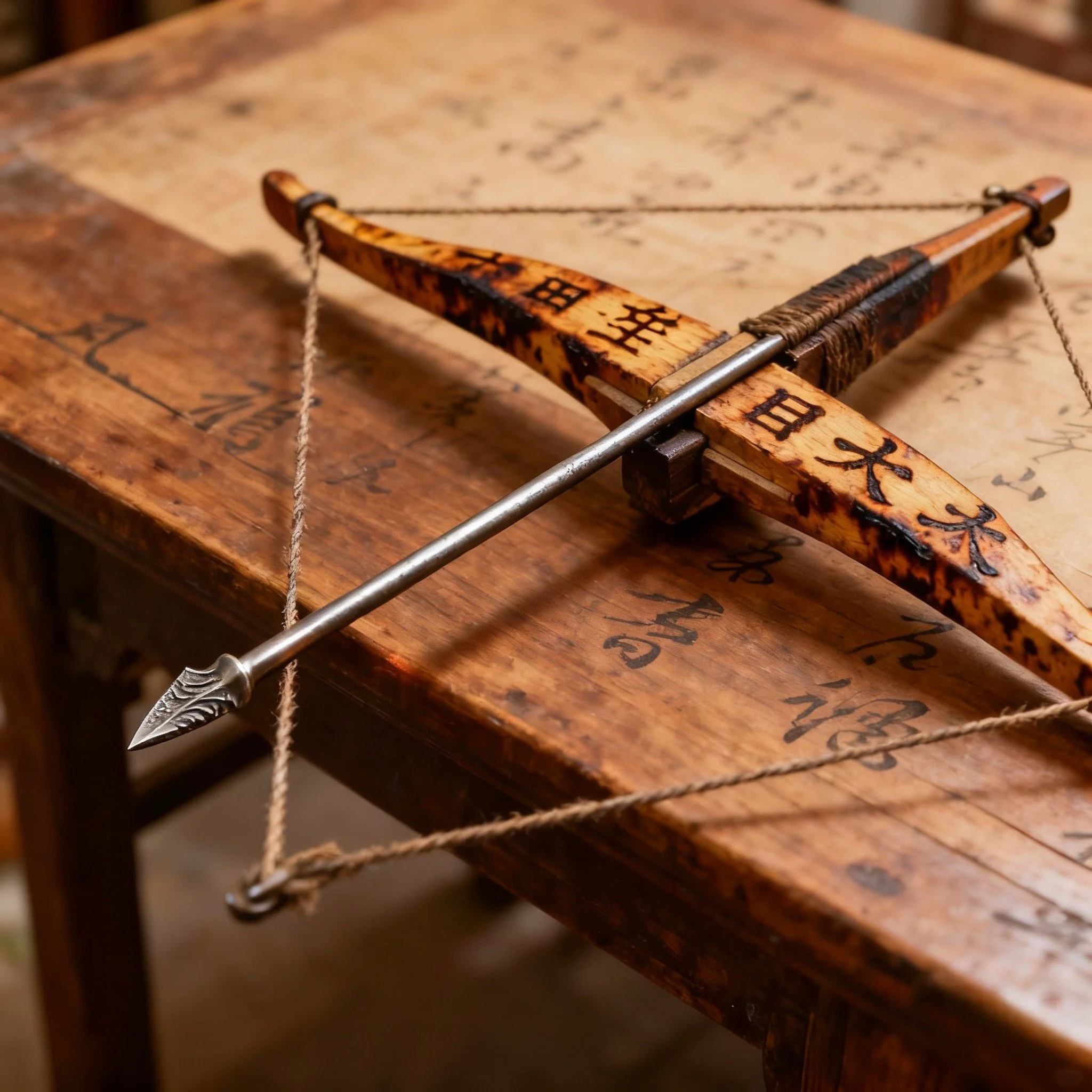
In the rich tapestry of ancient Chinese culture, pyrography emerged as a craft that transcended mere artistry and became a profound cultural and philosophical practice. Its origins can be traced back to the Han Dynasty (206 BCE–220 CE), when artisans began using heated metal tools to inscribe bamboo, wood, and leather surfaces. What initially served practical purposes, such as marking objects or recording information, soon transformed into a refined art form that reflected the aesthetics, wisdom, and values of Chinese civilization.
Pyrography became a hallmark of craftsmanship, celebrated for its ability to elevate everyday materials into objects of beauty and meaning. Artisans meticulously burned intricate patterns, landscapes, and calligraphic inscriptions onto surfaces, capturing the elegance of the natural world and the philosophical ideals of the time. The craft required exceptional skill, as the quality of the burn depended on precise control of heat and pressure. By varying these factors, artisans could achieve a range of effects, from delicate outlines to deeply engraved textures, imbuing their creations with depth and dimension.
A Legacy of Skill and Creativity
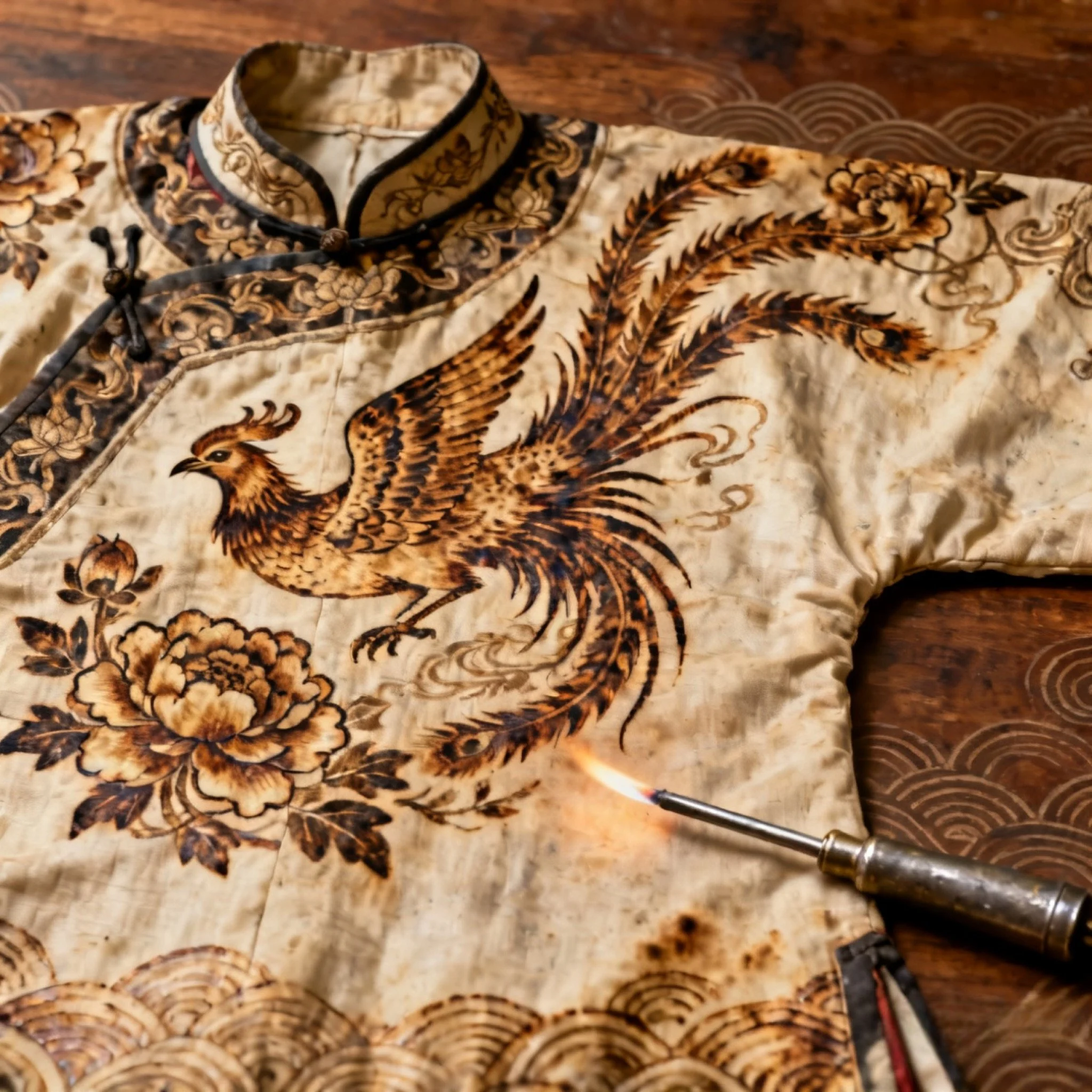
As time progressed, pyrography in China continued to evolve, reaching new heights of sophistication during the Tang (618-907 CE), Song (960-1279 CE), Ming (1368-1644 CE), and Qing (1644-1912 CE) Dynasties. Each era brought innovations to the craft, with artisans experimenting with shading, layering, and combining pyrography with other techniques such as painting and carving. By the Ming and Qing periods, pyrography had become a celebrated decorative art, gracing furniture, screens, and ceremonial items with elaborate designs inspired by traditional Chinese motifs. Dragons, phoenixes, lotus flowers, and other symbols of power, beauty, and purity adorned these objects, showcasing the exceptional skill and creativity of Chinese artisans.
Chinese pyrography remains a powerful reminder of the enduring connection between art and culture. Its intricate designs, meaningful symbolism, and remarkable craftsmanship reflect the timeless values and creativity of one of the world’s oldest civilizations. As modern artists explore this ancient technique, they carry forward the spirit of ingenuity and cultural pride that has defined Chinese pyrography for millennia.
The Role of Pyrography in Rituals and Storytelling
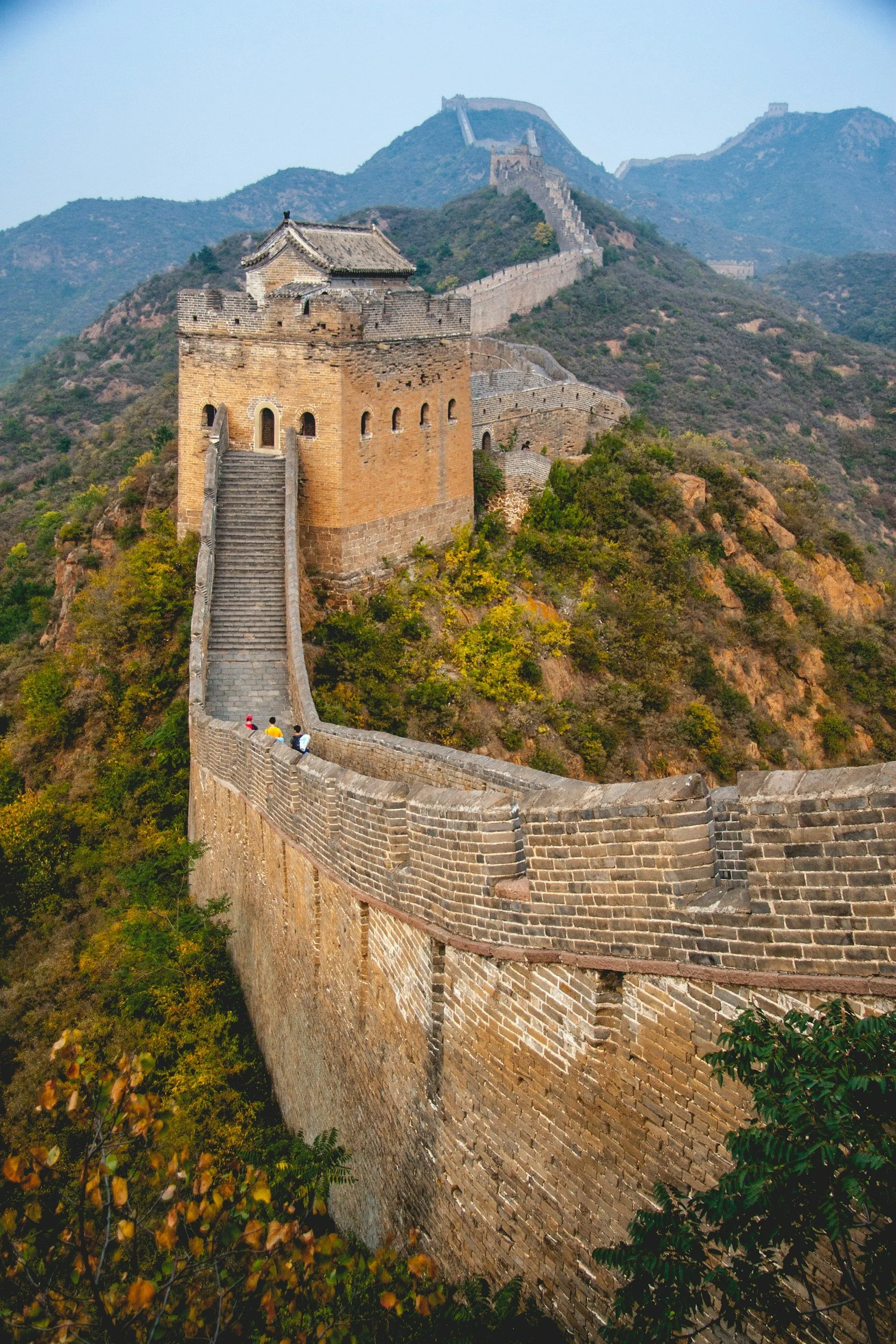
Pyrography also played a significant role in spiritual practices and storytelling. Ritual objects, such as wooden altars, amulets, and ceremonial furniture, were often adorned with pyrographic designs believed to carry divine energy. These designs were thought to invoke blessings, protection, and harmony, making them integral to religious ceremonies and ancestral worship.
In addition, pyrography served as a visual narrative tool, capturing scenes from everyday life, historical events, and mythological tales. Artisans etched depictions of traditional festivals, agricultural practices, and legendary figures onto wooden surfaces, creating a vivid record of Chinese culture and history. These pyrographic works provided a unique window into the values, traditions, and beliefs of ancient Chinese society.
Art and Philosophy: A Perfect Harmony
In ancient China, pyrography was not merely decorative; it was an expression of cultural and philosophical thought. Designs often drew inspiration from Confucian, Daoist, and Buddhist teachings, incorporating motifs that symbolized harmony, balance, and enlightenment. Bamboo, a revered symbol of resilience and integrity, was a frequent subject of pyrographic art, as were depictions of mountains, rivers, and other natural elements that represented humanity’s interconnectedness with the environment.
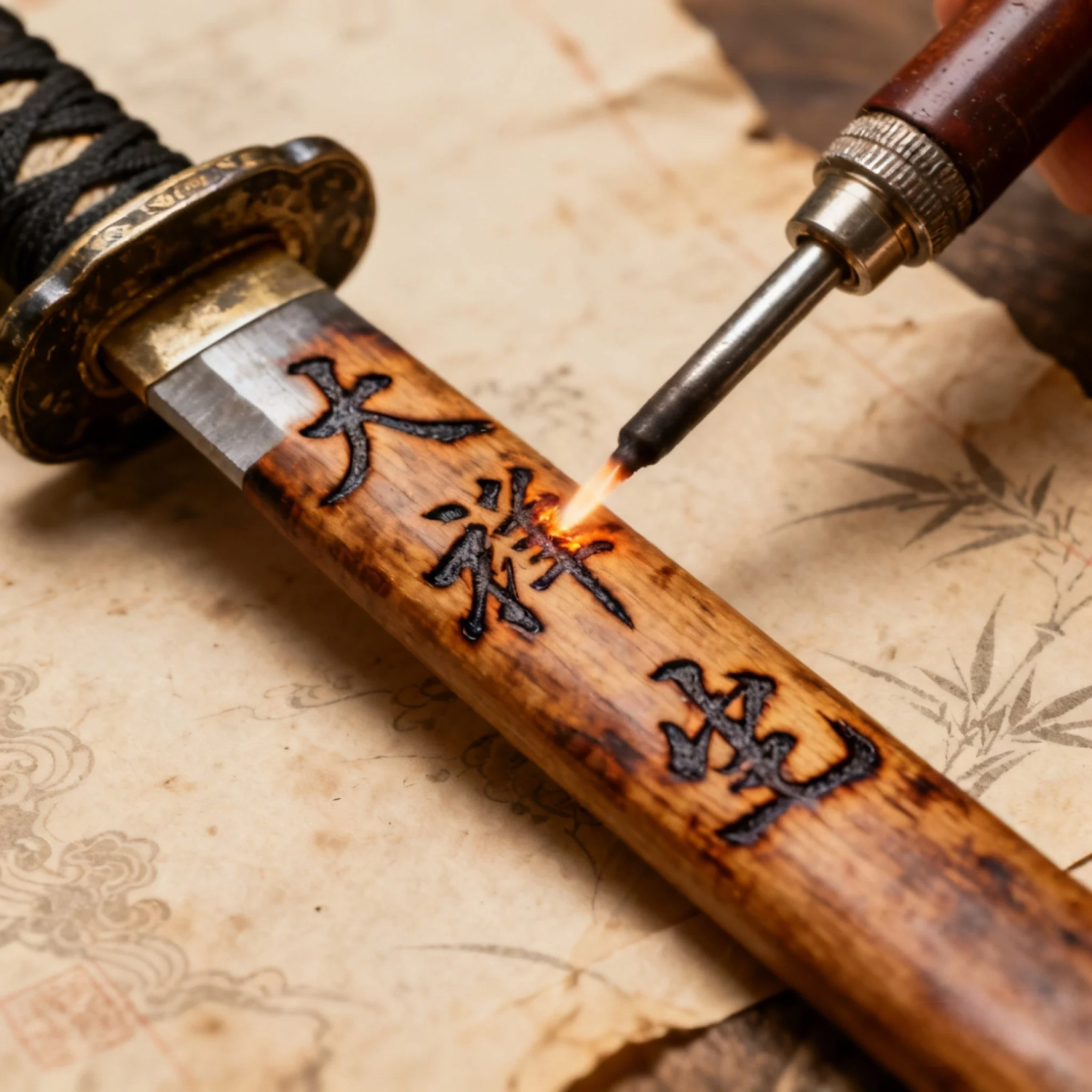
Through pyrography, artisans captured the essence of Chinese philosophy, embedding profound meanings into their creations. Wooden plaques and scrolls adorned with burned inscriptions carried timeless wisdom, including proverbs, poetry, and moral teachings. These works were not only visually striking but also intellectually enriching, serving as meditative tools or reminders of virtuous living. The fusion of artistic expression and philosophical depth elevated pyrography to a medium of cultural preservation and spiritual reflection.
An Enduring Tradition
The legacy of pyrography in ancient China is a testament to the ingenuity and cultural depth of its people. The craft not only preserved wisdom and beauty but also transformed ordinary objects into timeless symbols of identity, spirituality, and artistic expression. Today, modern pyrography continues to draw inspiration from traditional Chinese techniques and motifs, blending ancient craftsmanship with contemporary innovation.